A Gentle Year-End Reminder for Your Body at Work
- Dec 25, 2025
- 3 min read
Compliments of the season to all our readers. If you are reading this between bites of chicken and a drink, well done for your dedication.
As the year comes to a close, it is the perfect time to pause. Not just from work, but from all the advice, corrections, and “do this better” messages we hear throughout the year. Over the past months, we have talked about ergonomics, posture, movement, and musculoskeletal health, especially for people who spend long hours working at a screen.
This post is a gentle reminder of the essentials and a chance to reflect on how your body has carried you through the year.
Your Workspace Matters More Than You Think
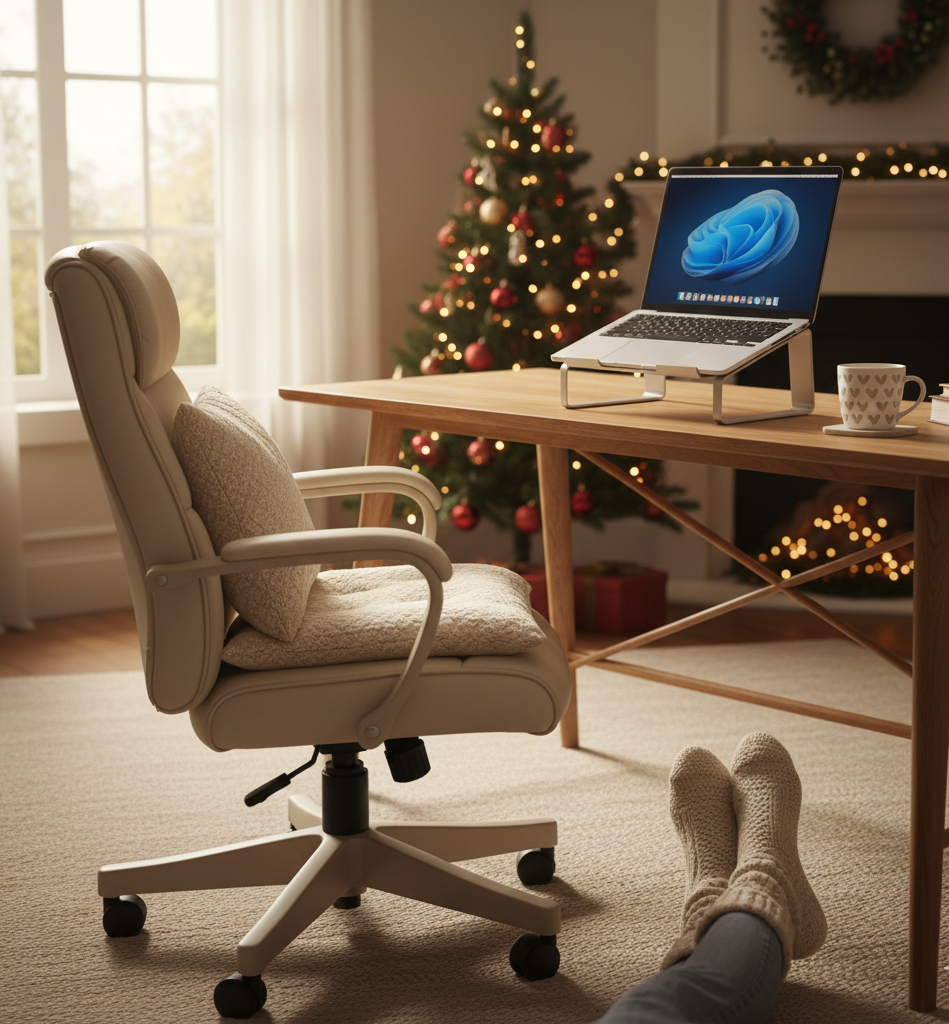
One of the main topics we have explored is ergonomics. It is not about strict rules or perfect setups, but about support. How you sit, where your screen is positioned, and whether your body feels held or strained all influence how comfortable you feel by the end of the day.
Ergonomics is more than just having the perfect chair or desk. It is about reducing unnecessary stress on your body. A chair that supports your back, a screen that does not force your neck forward, and a setup that allows your arms and shoulders to relax can make a noticeable difference in how your body experiences work. These small adjustments, when applied consistently, can help prevent musculoskeletal discomfort.
Posture Is About Movement, Not Stiffness
Another important reminder is that posture is not about holding yourself rigid all day. Good posture is dynamic. It changes and moves throughout the day.
The body was never designed to stay in a single position for hours, no matter how correct it looks. Discomfort usually comes not from slouching once, but from remaining in the same position for too long. Incorporating variation and adjusting your posture regularly helps reduce tension and keeps your muscles active.
Movement Is Gentle Medicine
If there is one principle that connects all the advice, it is movement. Not intense exercise or long routines, but small, regular movements throughout the day.
Standing up, stretching, walking to another room, rolling your shoulders, or changing how you sit can all reduce stiffness and muscle fatigue. Gentle movement improves circulation and gives muscles a chance to relax. For remote workers and DSE users, consistent movement is one of the most effective ways to prevent musculoskeletal pain, yet it is often overlooked.

Pain Is a Message from Your Body
Neck pain, shoulder tension, wrist discomfort, and lower back aches are common for people who work long hours at a screen. These signals do not mean you are weak or doing something wrong. They are your body’s way of communicating that something needs attention.
Musculoskeletal discomfort often develops gradually. Tightness, fatigue, or mild aches may appear long before the pain becomes severe. Paying attention early allows you to take action and prevent more serious problems. Listening to your body is an essential part of self-care.

Rest Is Part of the Picture
While we have discussed work, posture, and movement, rest is equally important. Muscles recover during rest, joints benefit from stillness, and the nervous system requires pauses to reset.
Especially for remote workers, knowing when to stop is just as important as knowing how to sit. Gentle rest allows your body to recover and prepare for the days ahead.
As the year ends, carry forward the spirit of everything you have learned. Support your body, change positions often, move gently and regularly, listen when something feels off, and rest without guilt. Your body has worked hard for you this year. Ending the year with awareness and care is one of the best ways to begin the next.



Comments