Lumbar Curve Imbalance – Hyperlordosis
- Nov 20, 2025
- 3 min read
Updated: Dec 6, 2025
Growing up, one of the things my parents always warned me about was carrying heavy loads on my back, whether it was my school bag, or anything really. They also stressed sitting properly, always reminding me to keep my back straight. And I'm not going to lie, their constant advice made me conscious of how I carried myself and how I positioned my body.
Now that I’m grown, anytime I catch myself sitting awkwardly from time to time, I immediately try to correct it. If you spend long hours sitting in an awkward position, you might have noticed some discomfort in your lower back. Sometimes, that could be hyperlordosis.
What is Hyperlordosis?
Hyperlordosis is a condition where the natural inward curve of your lower back (the lumbar spine) becomes more pronounced than usual. Many people aren’t familiar with it, that's why the awareness is being created for better knowledge.
Sometimes ago, I was walking with a friend of mine and her colleague. Her colleague had a very heavy bag on her back. As they walked, my friend noticed that the weight of the bag was causing her to lean forward and her lower back arching more than normal. She called her attention and said, “The way you’re carrying that bag right now is making you look off. You’re not standing straight.” She had to adjust immediately.
It might have seemed harmless in that moment, but the reality is that when poor posture becomes constant, your body starts adapting. When this happens, the spine can develop a curve that is no longer natural. That’s how hyperlordosis often begins.

Why Hyperlordosis Happens
Your lumbar spine naturally curves inward to support your weight, and help you maintain balance. Hyperlordosis happens when this curve becomes too deep, usually because of weak back muscles. This happens when the abdominals aren’t supporting the spine. It also happens due to tight hip flexors, weak glutes and poor posture habits.
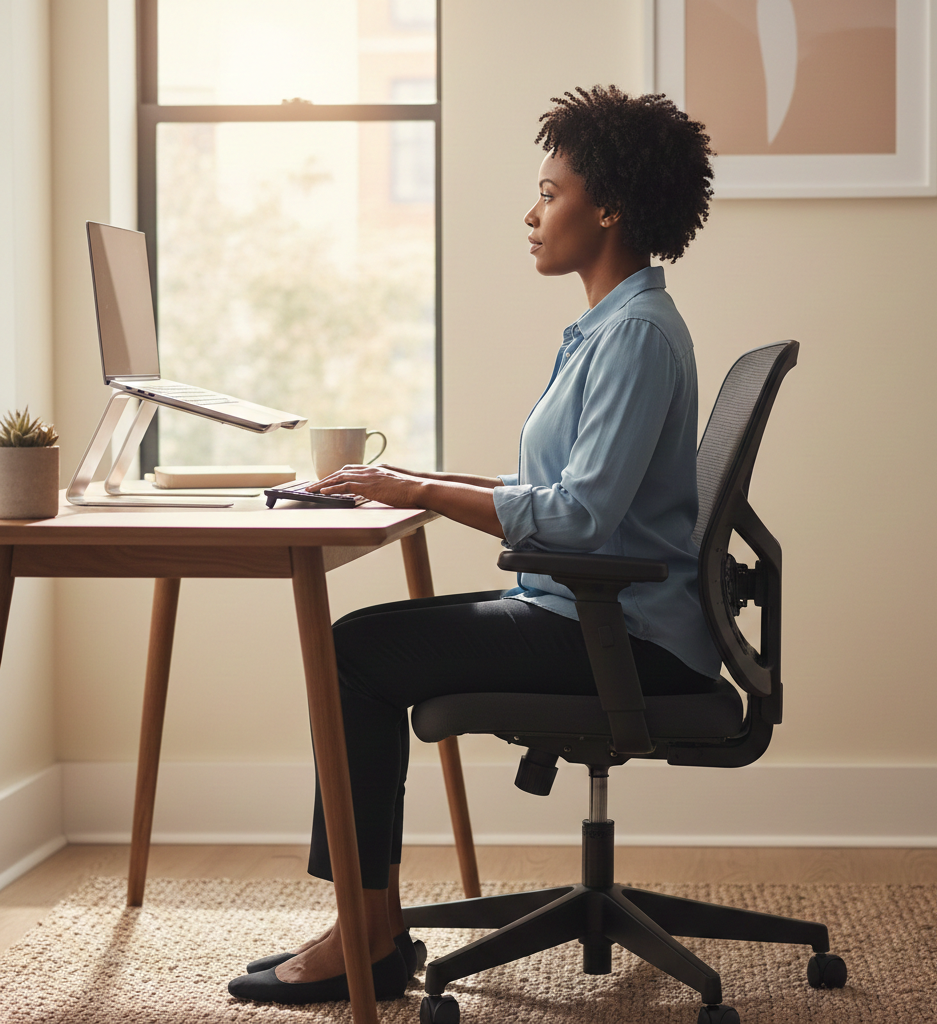
It's no longer news that a great number of remote workers and DSE users experience this.
Different case reviews have also found that repeated daily habits like prolonged sitting and uneven weight distribution could lead to structural changes in the lumbar spine, making hyperlordosis more likely to develop.
How Hyperlordosis Shows Up
Often, the body gives subtle signals before the curve in the lower back becomes obvious. When discomfort becomes persistent, over time, certain muscles begin to work harder while others weaken. Tight hip flexors and lower back muscles can make the spine feel tense, while weaker abdominal and gluteal muscles struggle to support the posture. In some cases, the curve may even press on nerves in the lower back, this right here is what causes tingling or numbness that travels down the leg.

How To Improve Your Posture
I am not very familiar with cars, but I often hear people say you should take your car for alignment when it starts to sway while driving or the steering starts vibrating. In the same way, with the right awareness and consistency, you can correct hyperlordosis and protect your lower back. Relief is possible with targeted physiotherapy.
Core and pelvic stabilization exercises
Strengthening muscles like the transversus abdominis, and glutes helps support the lumbar spine. Exercises like pelvic tilts, and bridges, train these muscles to maintain proper alignment and reduce strain.
Stretch tight muscles
Stretching the hip flexors, and lower back, counteracts the pulling forces that exaggerate the curve. This allows the pelvis and spine to return toward a neutral position.
Postural awareness
Learning how to sit, and walk with proper alignment prevents further stress on the spine. Small adjustments, like keeping your feet flat on the floor and your screen at eye level, make a big difference.
Activity modification
Avoid prolonged sitting, heavy backpacks, or high-impact movements that strain the lower back until strength and flexibility improve.

Hyperlordosis may not be a popular topic, but it affects many people. The human body is strong, adaptable, resilient, and capable of healing. When you start making the right adjustments today, your spine can move toward a healthier and more comfortable shape.


Comments