The Hidden Neck Strain Behind Your Bedtime Scrolling Routine
- Nov 29, 2025
- 4 min read
Updated: Dec 6, 2025
You know that feeling, right? You are lying in bed, scrolling through TikTok or Instagram reels, and suddenly every video becomes interesting. It is late and you know it is time to sleep, but this one reel is funny. Then the next one is even funnier. Before you know it, one hour becomes two and it is already midnight. Your face is still close to your phone and your neck has stayed in the same awkward angle the whole time.
One thing people hardly talk about is how the content seems to get better the later it gets. Almost like the algorithm knows you are supposed to be sleeping and decides that is the perfect time to show you the most engaging things. You keep watching and keep scrolling because you do not want to miss anything. Eventually, exhaustion wins and you fall asleep immediately after putting your phone down, sometimes in the same position. Then morning comes. You wake up with a stiff neck and tired muscles. You wonder if it was the pillow, but…….it is simply because your body never got a break.

Why Your Neck Suffers During Night-Time Scrolling
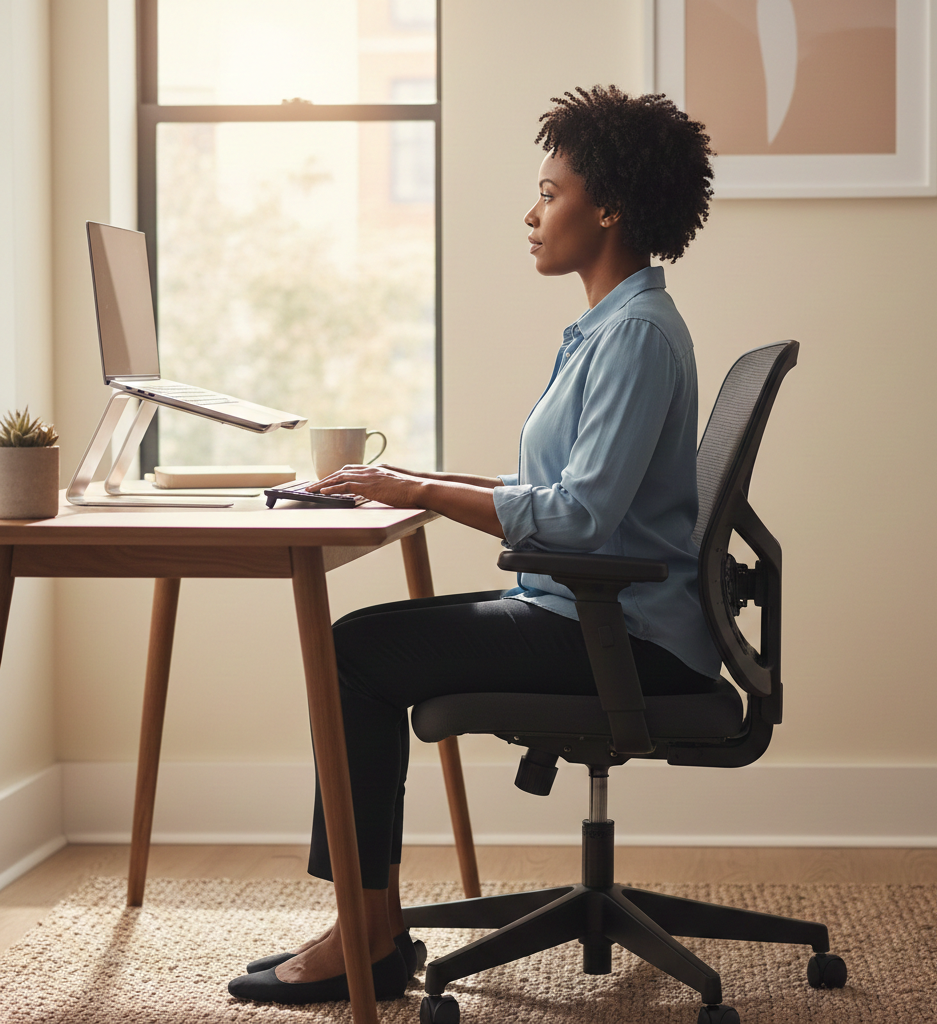
Think about your typical day as you read this. You spend about eight hours at your desk, whether you work a regular 9 to 5 or handle projects from home. For eight solid hours , your body stays in almost the same position. By evening, your muscles are tired because they have been supporting you all day. Night-time is when your body expects to recover from that stress.
Your muscles should relax and your spine should settle into a neutral position. Instead, you spend another one to two hours in bed holding another fixed posture as you scroll through your phone. Your body never gets the recovery time it needs. You are asking your muscles to work without rest, day after day.
Let us look at what research shows. A 2024 study published in Nature Scientific Reports found that people who used their phones for four hours or more daily had higher levels of neck pain and lower endurance in their neck muscles. The connection was clear. More phone time leads to more pain and weaker neck support over time.

Simple Habits That Protect Your Neck and Improve Your Sleep
Your body needs variety, movement, and rest in neutral positions. When you deny your body these basic needs, you create the perfect environment for chronic pain to develop. Breaks are not luxuries. They are essential. Just as you would not like it if someone took away your break at school or work, it is the same way your body feels when you deny it moments to rest. Taking a break does not mean you have to stop working or stop relaxing. It simply means being intentional about how you position your body and how long you stay in one posture.
During your workday, this means standing up every hour, rolling your shoulders, and stretching your neck gently from side to side. During your evening phone time, this means sitting up properly instead of lying down, bringing your phone to eye level, and setting a short time limit of fifteen to twenty minutes before bedtime.
Beyond managing phone use, how you sleep also matters. The best sleeping position for your neck and spine is lying on your back with a pillow that supports the natural curve of your neck. Your pillow should not be too high or too flat. It should keep your neck in a neutral position without pushing your head forward or allowing it to drop back too far. If you prefer sleeping on your side, use a pillow that is thick enough to keep your head and neck aligned with your spine.
Before getting into bed, create a short wind-down routine that does not involve screens. At least an hour before you want to sleep, finish using your phone while sitting upright. After that, spend five to ten minutes doing gentle stretches. Tilt your head slowly to each side and hold the stretch for fifteen to twenty seconds. These simple movements help release the tension that builds up during the day and prepare your muscles for rest.
Also, know when it is time to see a physiotherapist. Sometimes the impact of months or years of poor posture needs professional care. A physiotherapist can assess your situation, check for imbalances or weaknesses, and create a plan that suits your needs.
In conclusion, those notifications will still be there in the morning and that funny video will still be funny tomorrow, but your musculoskeletal health needs your attention now. Starting tonight, try something different. Set a fifteen-minute timer for your evening scrolling, sit up properly while you use your phone, bring it to eye level, and when the timer goes off, put it down. Do a few gentle stretches, get into bed in a comfortable sleeping position, and let your body rest. You are welcome.


Comments