Understanding Core Stability and How It Supports Your Spine and Posture
- Dec 5, 2025
- 3 min read
Updated: Dec 6, 2025
Over the years, research has shown that when the core is weak or not doing its job well, it affects how the body moves and stands. And if your body keeps moving in the wrong pattern for too long, small discomforts begin to grow into bigger musculoskeletal problems. Let’s bring it down to real life, because most people hear the word “core” and immediately think of the gym.
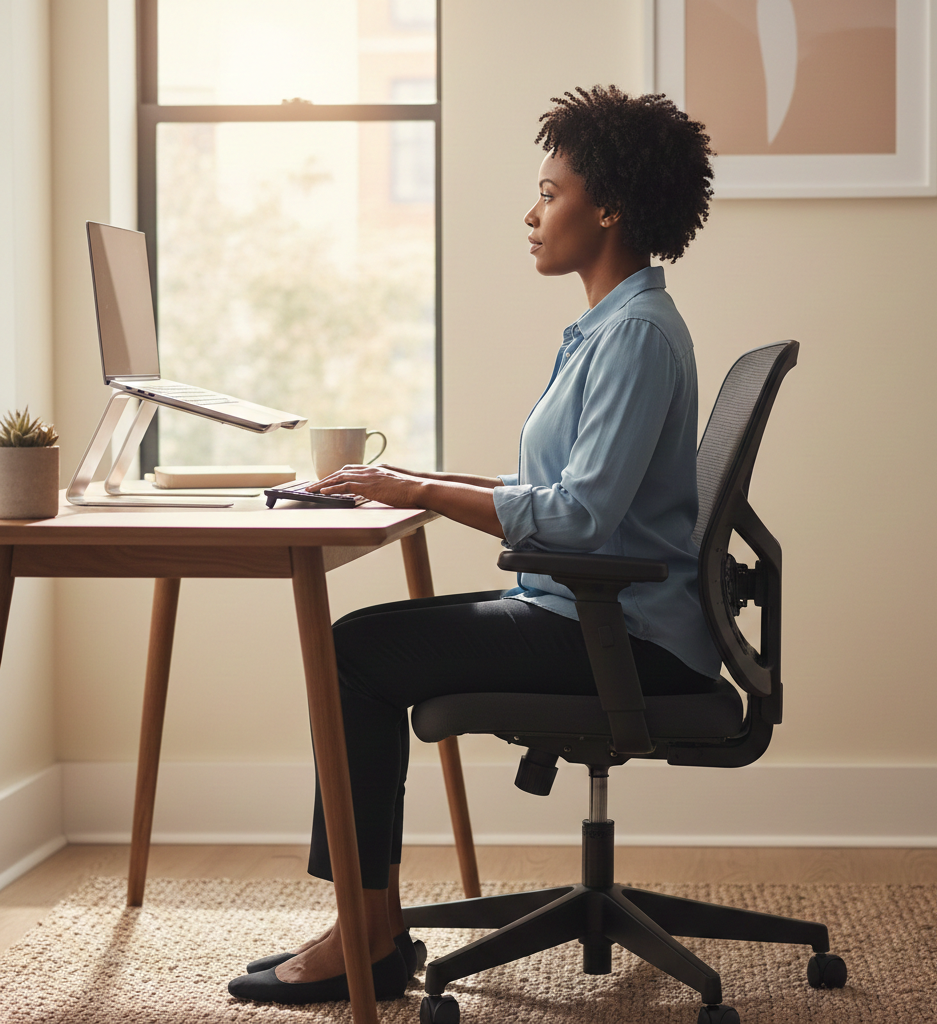
Many people hear the word and picture planks, six-packs, and people sweating in the gym. But core stability is not just a fitness concept. It is something your body relies on every single day, even when you are just sitting at a laptop or washing plates. It is what your body uses to stay steady, coordinated, and balanced.
Now that the confusion is out of the way, let’s talk about what core stability really means and what it does for your body.

What Is Core Stability?
Your core is more than the six-pack muscles you see in the mirror. It is an internal support belt around your midsection, protecting your spine and supporting your organs.
It consists of four key muscles that work together:
1. The Diaphragm
This is your main breathing muscle. It forms the top part of the core and controls the rise and fall of your breath.
2. The Pelvic Floor
These muscles sit at the bottom of the core “canister.” As you inhale, the pelvic floor gently lowers; as you exhale, it rises. This coordination helps regulate intra-abdominal pressure (IAP), which stabilizes your body. Weakness here often comes from long hours of sitting or inactivity.
3. The Transverse Abdominis (TA)
This deep abdominal muscle wraps around your midsection like a belt. It is one of the body’s primary stabilizers.
4. The Multifidus
These small but important muscles run along your spine. Studies have shown that people with chronic lower back pain often have weakness or lack of activation in these muscles. Gentle posture work and spinal-awareness practices can help wake them up.
When these four muscles work together, they generate intra-abdominal pressure (IAP). This IAP works like an internal cushion that helps keep your spine safe and helps you maintain posture without effort.
This does not mean you are unfit. You could go to the gym every day and still have poor core stability if you sit badly or don’t move with awareness.

Why Core Stability Matters in Everyday Life
Core stability affects more than just your back. It influences how you breathe, how you move, and even how your body deals with stress. When your core works well, the following happens:
Your posture improves naturally.
Your spine and organs get support.
Your body moves with more coordination and balance.

When your core is weak or inactive, your body can stay in low-grade tension. You may notice tight shoulders, stiffness when standing up, or lower back aches after sitting for a while. There is evidence that for non-specific chronic low back pain (cLBP), core stability exercises are effective at reducing pain and disability, improving core muscle activation, and enhancing quality of life. This is especially true when combined with breathing exercises or posture training.
Simple habits such as diaphragmatic breathing, pelvic tilts, or gently engaging your core while sitting can make a real difference. The goal is not to start a new workout routine, but to restore healthy movement patterns in everyday life.
Your core is always working, whether you realize it or not. The true question is whether it is working well or just barely getting by. Life can feel a lot easier when you give your core the right support.


Comments